

Blog
Cannabis Waste
Cannabis Waste: It Ain’t Just Leaves and Dirt
October 12, 2026
A skeptic’s guide to the stuff nobody wants to think about. Q&As include: Why does cannabis require a waste management […]
October 23, 2025
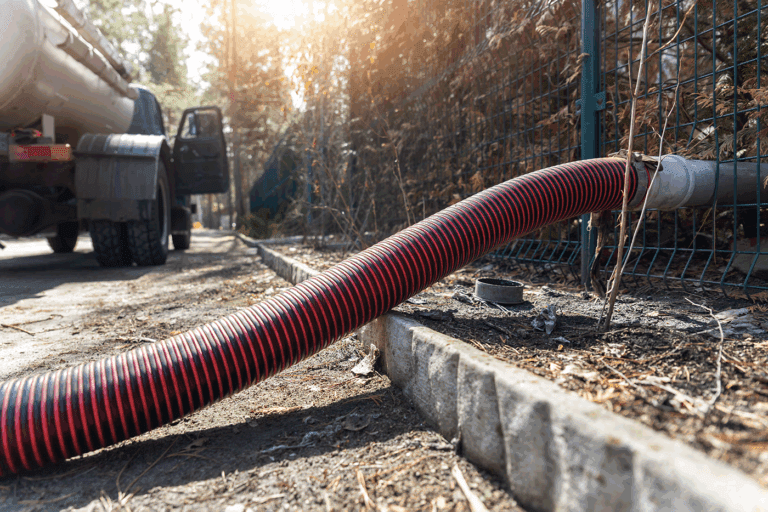
Learn how to comply with federal, state, and local laws & regulations regarding the disposal and landspreading of septage and […]
Continue reading
August 20, 2025
This blog entry provides a comprehensive explanation of the EPA Mixture Rule and its counterpart, the EPA Derived-From Rule. Q&As […]
Continue reading
June 11, 2025
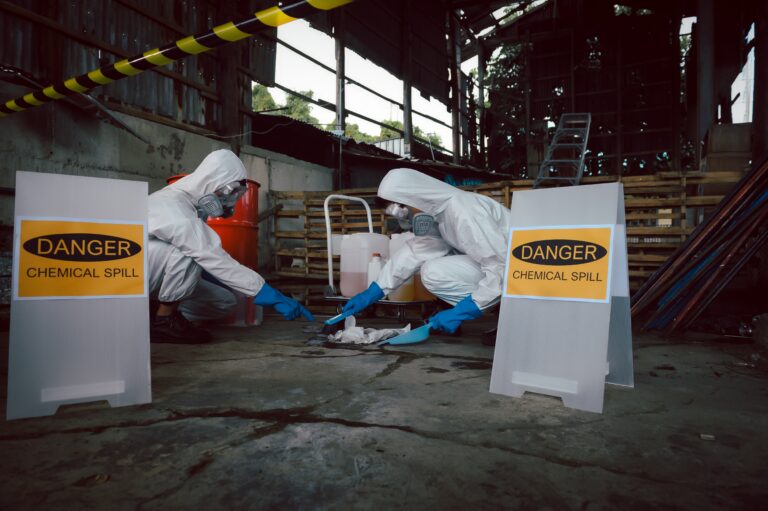
Wondering how to dispose of hazardous liquids without risking fines, lawsuits, or a surprise visit from the EPA? This guide […]
Continue reading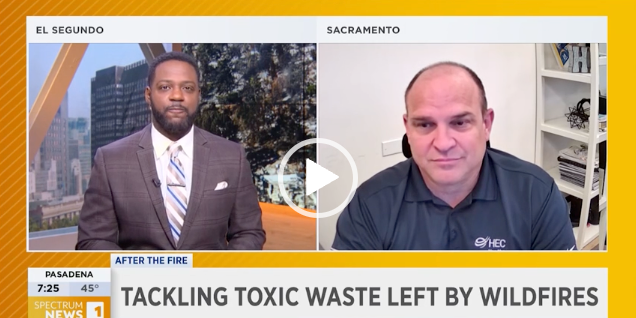
February 11, 2025
Beyond the Flames: What You Can’t See Can Hurt You California’s wildfires leave behind more than just charred homes and […]
Continue reading
January 28, 2025
This post explores the EPA final Third Rule regarding the e-Manifest, published in July 2024, which mandates that all LQGs […]
Continue reading
November 6, 2024
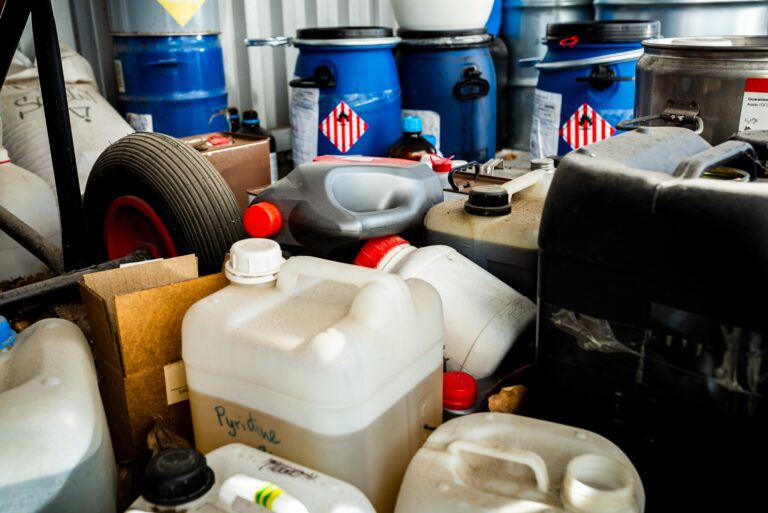
Per the EPA, “hazardous waste” is an umbrella term that covers many different kinds of industrial and household detritus. This […]
Continue reading
April 10, 2024
Delve into the world of CERCLA Superfund liabilities with this comprehensive blog entry. From its inception to potential liabilities and delisting from the National Priorities List, get expert insights and advice on navigating hazmat issues.
Continue reading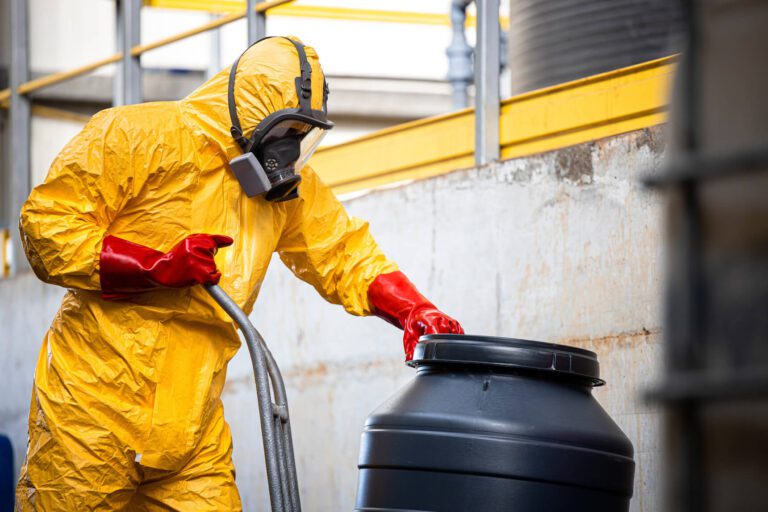
February 7, 2024
Delve into the realm of RCRA 8 metals with this informative blog entry. From arsenic to silver, uncover the toxicity of each metal and the legal obligations for their management from generation to disposal. Discover EPA limits for landfills and get expert advice on handling hazardous waste.
Continue reading
January 23, 2024
This post explores the benefits of waste reduction initiatives, particularly focusing on lowering EPA generator status for hazardous waste. It covers various strategies like controlling material inputs, waste-stream consolidation, recycling, and reusing spent solvents, highlighting their ecological and economic advantages.
Continue reading